As more travelers opt for Airbnb stays, the competition between Airbnb and hotels continues to intensify. While hotels have long dominated the accommodation industry, Airbnb offers a unique, home-like experience that many guests find appealing. However, this doesn’t mean that Airbnb hosts can ignore the competitive pressure from hotels.
To thrive in this landscape, it’s crucial for Airbnb hosts to understand the key differences and strategically position themselves to appeal to modern travelers. Let’s dive into some essential insights that can help you stand out in the “Airbnb vs hotel” competition.
Key Takeaways:
-
The competition between Airbnb and hotels is intensifying, but it’s about more than just pricing, it’s about offering unique, personalized experiences.
-
Airbnb hosts now have a competitive edge in less saturated locations, like coastal and mountain areas, where hotels are less prevalent.
-
While hotels once dominated in urban markets, Airbnb’s flexibility allows hosts to adapt quickly and cater to different types of travelers seeking individuality.
-
By blending tech, pricing strategies, and unique offerings, Airbnb hosts can provide more than just a place to stay, they offer memorable experiences.
1. The Core Expectations of Hotel Guests:
When travelers book a hotel, they typically expect reliability, consistency, and comfort. These are non-negotiable elements that most hotels are known for. From high-end bedding to 24/7 customer service, hotels create an environment of predictability.
Airbnb hosts should strive to meet similar expectations by providing a consistent experience with high-quality amenities like premium towels, top-tier mattresses, and a seamless booking process. By bridging the gap between hotel-like consistency and the unique flair that Airbnb offers, hosts can attract guests who want the best of both worlds.
2. Pricing Strategies: How to Compete with Hotel Rates:
One area where hotels often hold an advantage is in their ability to adjust prices quickly and effectively through dynamic pricing. During peak travel times, hotels can raise prices and during off-peak seasons, they can offer discounts to maintain a full roster of guests.
Airbnb hosts can also take advantage of dynamic pricing, especially with the help of tools like Rabbu’s Market Data, which uses data-driven insights to help set competitive rates. By adjusting pricing based on demand, events, and seasonality, Airbnb hosts can ensure that they don’t miss out on potential bookings and remain competitive with traditional hotels.
3. Leveraging Technology for a Modern, Streamlined Experience:
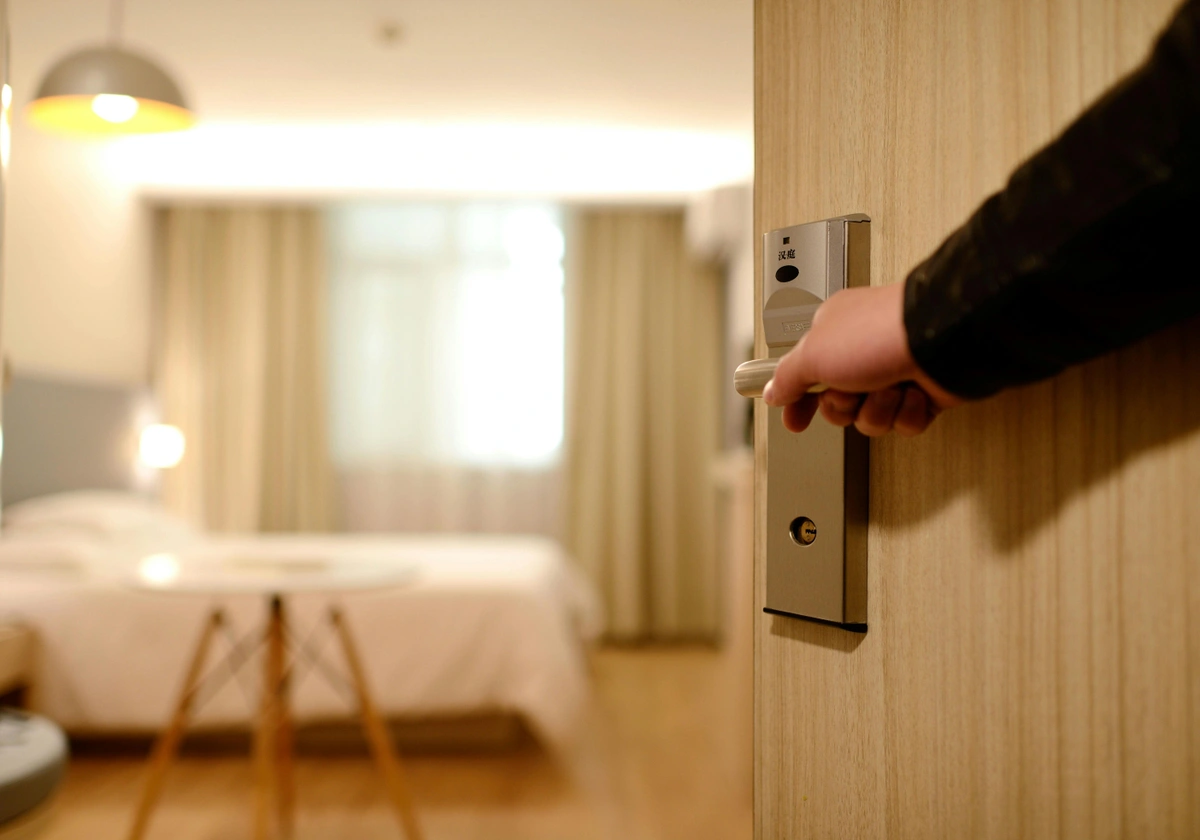
Hotels have been quick to adopt new technology such as keyless room entry, self-check-in kiosks, and digital concierge services. Airbnb hosts should consider implementing similar technologies to enhance the guest experience. For example, offering smart home devices, like thermostats, lighting, and voice assistants, can elevate the guest experience while improving convenience. Keyless entry and automated check-ins help provide the same efficiency that hotel guests expect. By adopting these technologies, Airbnb hosts can attract tech-savvy guests who appreciate the convenience that comes with modern amenities, ultimately bridging the gap between a hotel experience and a homely stay.
4. Unique Experiences vs. Standardized Service:
One of the key differences in the “Airbnb vs hotel” debate is the level of personalization that Airbnb hosts can offer. While hotels often deliver a standardized service, Airbnb allows hosts to provide guests with local experiences that are hard to replicate in a hotel.
Offering personalized touches like local snacks, customized guides, or recommendations for hidden gems in the area can make a huge impact. The ability to create a memorable experience tailored to each guest is an advantage that hotels cannot easily match, and hosts should lean into this as a major selling point.
5. Guest Loyalty and Building Long-Term Relationships:
In the hotel industry, building guest loyalty is a major priority. Many hotels have loyalty programs that reward repeat customers with discounts or perks. While Airbnb doesn’t have a formal loyalty program, hosts can still build repeat business by providing exceptional service and fostering a connection with their guests.
By offering personalized experiences, thoughtful touches, and outstanding communication, Airbnb hosts can cultivate a loyal following of guests who return again and again. Creating these strong relationships is a key factor in competing with the predictable nature of hotel stays.
Conclusion:
The ongoing “Airbnb vs hotel” debate highlights the growing need for Airbnb hosts to adapt and innovate. By offering a high standard of service, competitive pricing, modern technology, and unique local experiences, hosts can carve out a niche in the increasingly competitive short-term rental market. Understanding the benefits of both Airbnb and hotel accommodations allows hosts to appeal to a wider range of travelers, ultimately ensuring long-term success in the evolving hospitality industry.